





TAP project vessel Playa El Supí is launched into the sea in Cumaná
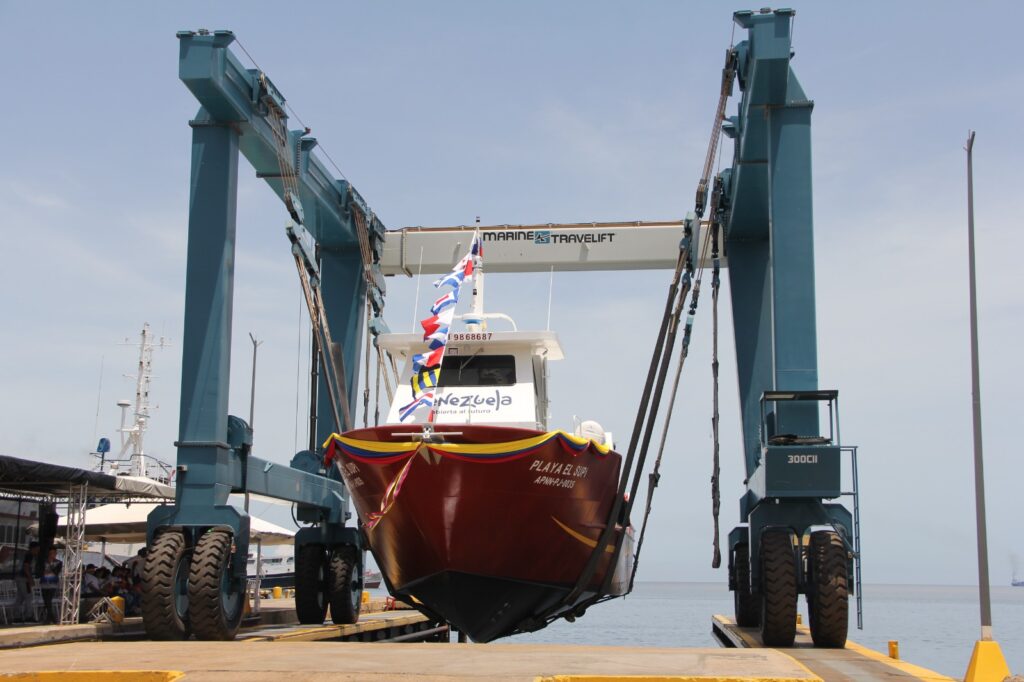
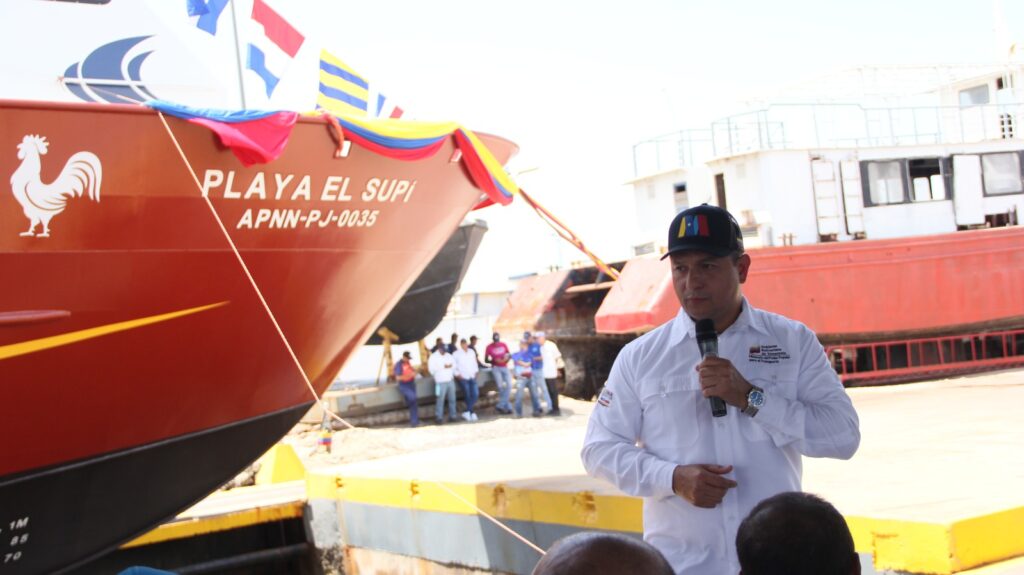
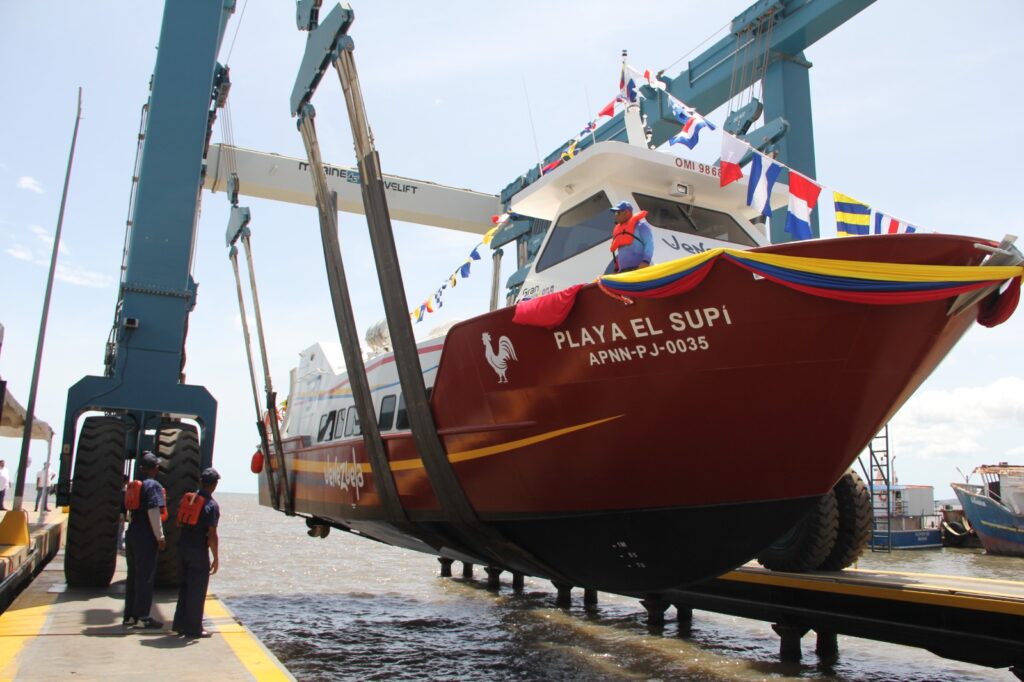
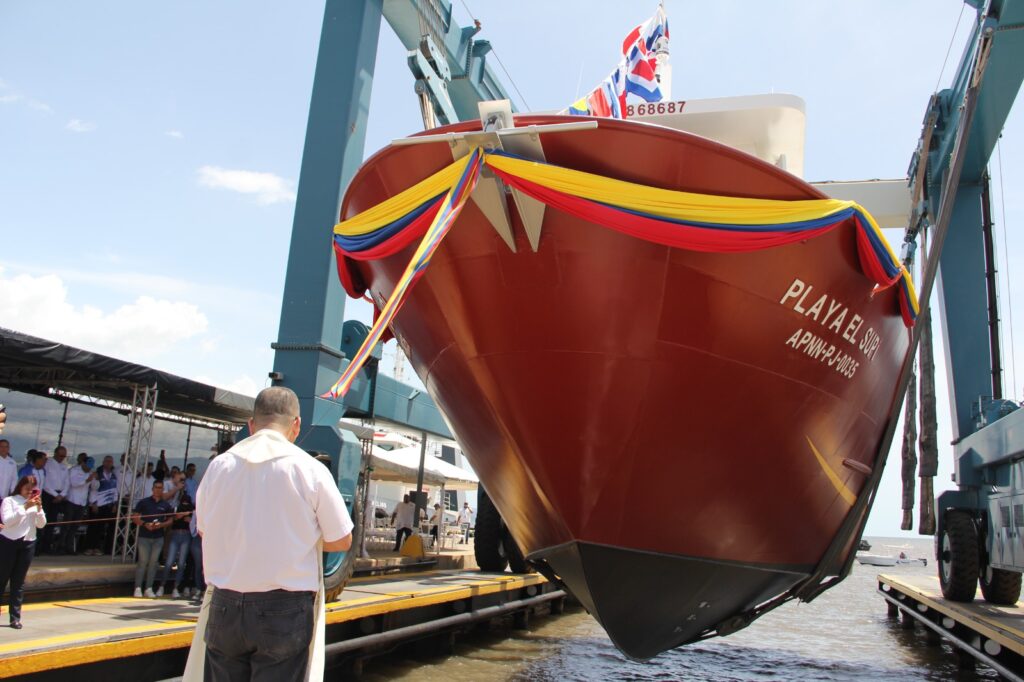
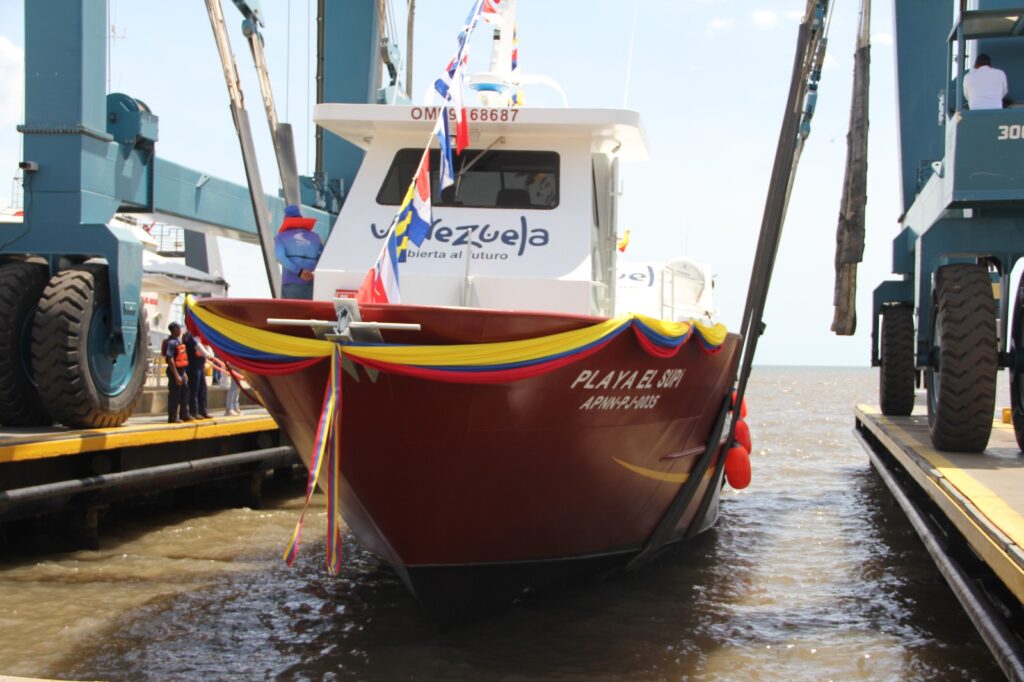
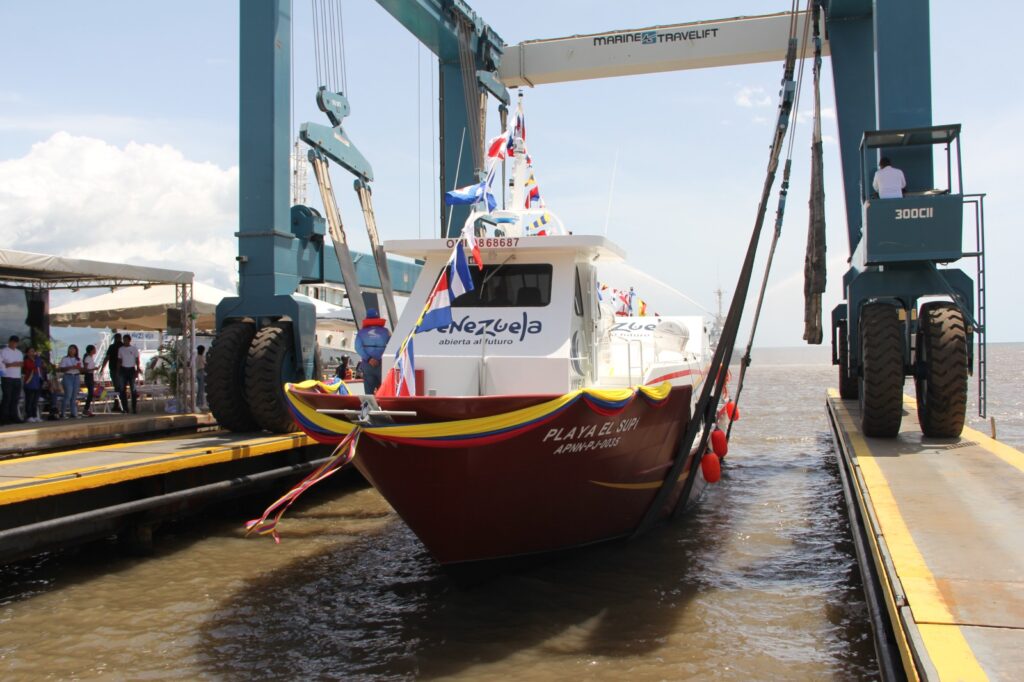
INEA Press (07/20/2024).- The Ministry of People’s Power for Transport (MPPT) and the National Institute of Aquatic Spaces (INEA) carried out this Saturday the Sea Launch ceremony of the eleventh vessel of the Aquatic Passenger Transport Project (TAP) Playa el Supí, from the headquarters of Astilleros y Varaderos Sucre (ASTIVASCA), in Cumaná, Sucre state, to cover the Cumaná-Araya route.
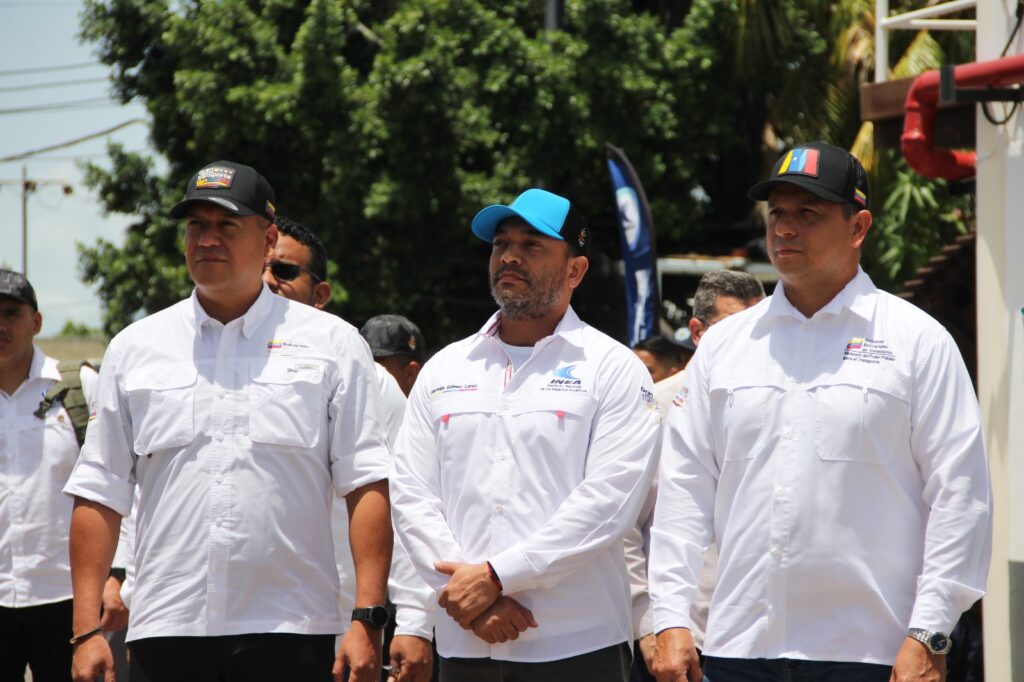
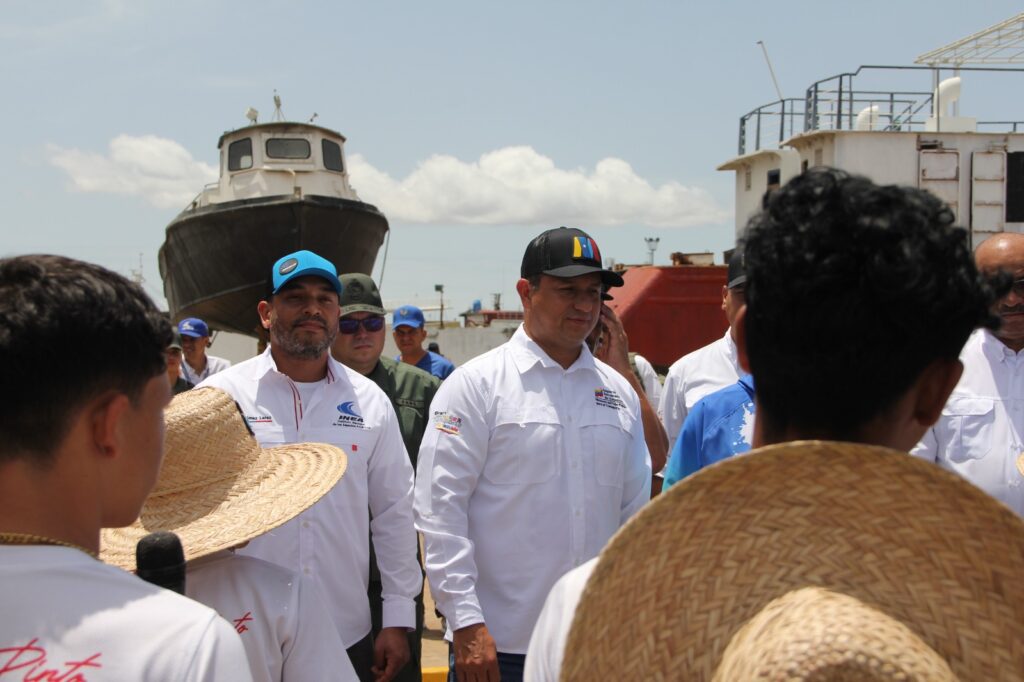
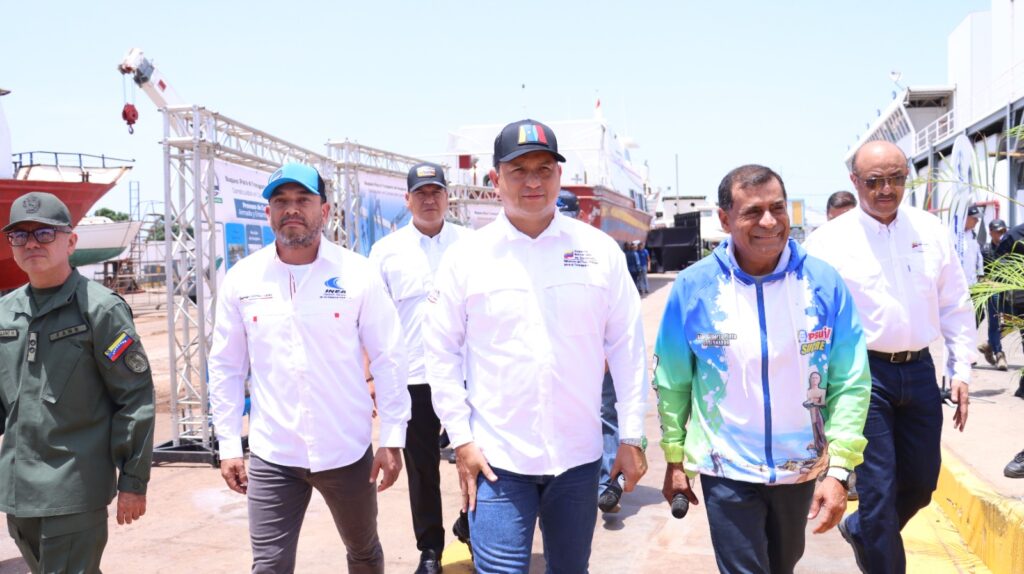
The ceremony was presided over by the Minister of People’s Power for Transport, MG Ramón Celestino Velásquez Araguayán, accompanied by the Governor of Sucre state, Adm Gilberto Pinto Blanco, the Vice Minister of Aquatic Transport, Adm Edglis Herrera Balza, and the head of INEA, RADM Germán Gómez Larez.
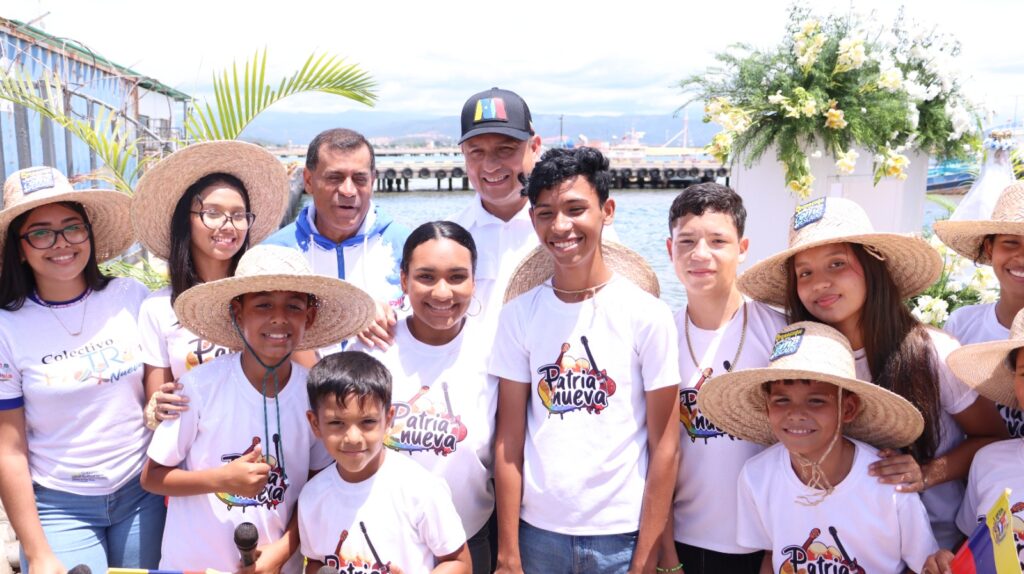
Also present were military and civil authorities of the region; as well as the presidents of the Naval Production Centers Marino Astillero Dique Varadero, Giulio Marino, and ASTIVASCA, Francisco Hernández, students from UNEFA, workers from the Puerto Sucre Harbor Master’s Office, the board of directors of the Governor’s Office, MPPT Sucre, and INEA.
The blessing of the vessel was led by the Parish Priest of the Minor Basilica of Santa Inés, Oswaldo Orellana, and the christening was performed by the Minister of People’s Power for Transport and the Governor of Sucre State, who, on behalf of the President of the Republic, Nicolás Maduro Moros, carried out the most important ritual in the life of a ship: smashing a bottle against its bow at the moment of launch, as an omen of fair winds and following seas.
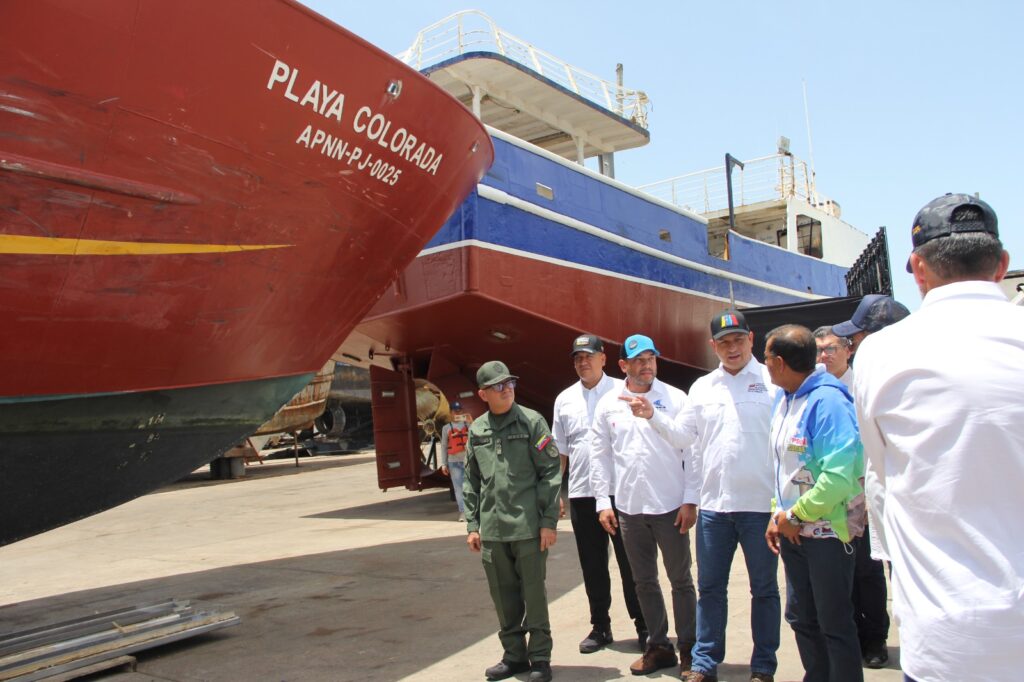
Prior to the sea launch of the vessel Playa El Supí, authorities inspected the major maintenance and structural adaptations being carried out on the vessel Playa Colorada, which will allow it to navigate the Delta in order to cover the Pedernales-Tucupita social route.
Prior to the sea launch of the vessel Playa El Supí, authorities inspected the major maintenance and structural adaptations being carried out on the vessel Playa Colorada, which will allow it to navigate the Delta in order to cover the Pedernales-Tucupita social route.